
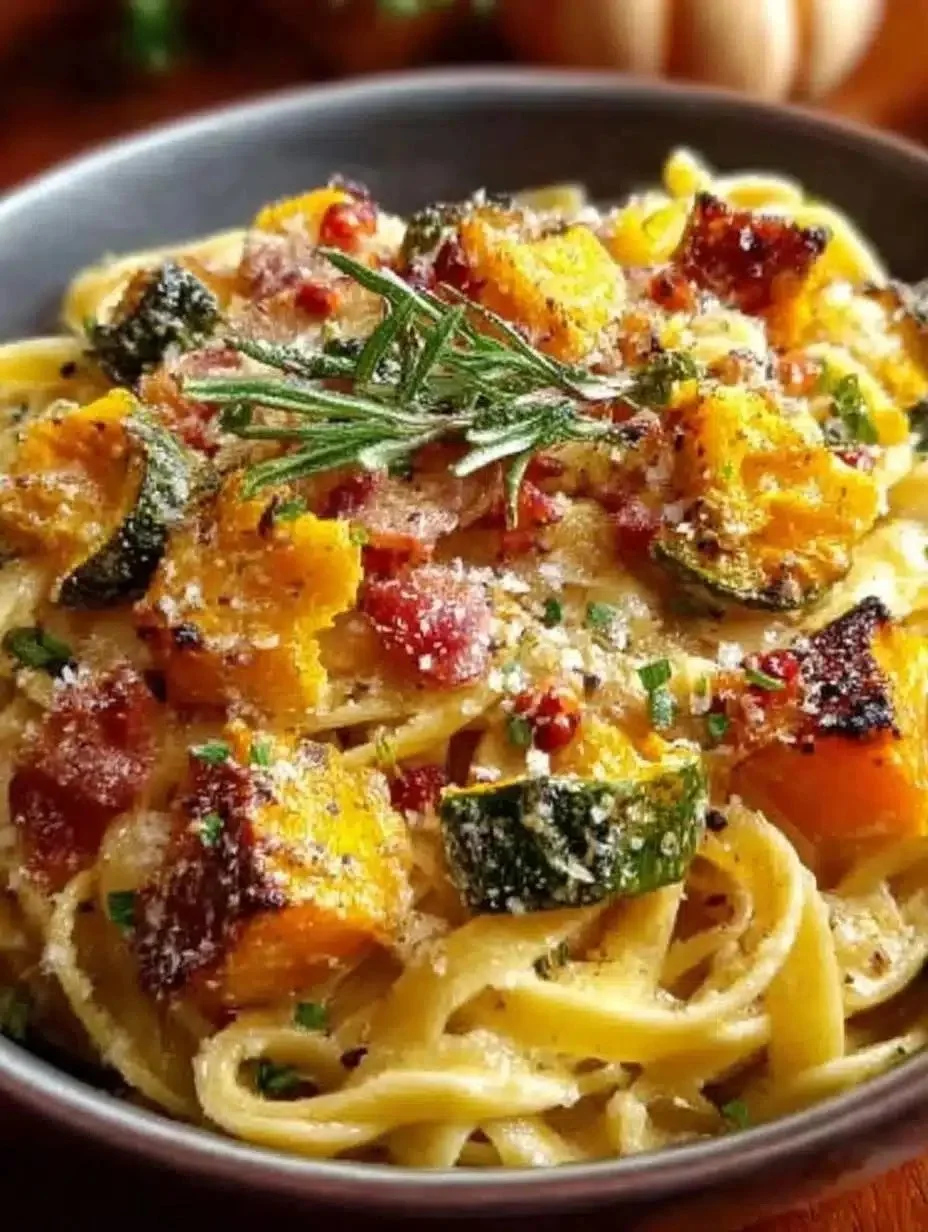
Autumn Sausage Pasta with Butternut & Sage
The first forkful tastes like a warm kitchen on an October evening — sweet roasted squash, browned sausage, and nutty sage coated in a silky sauce. Autumn Sausage Pasta is a simple, forgiving weeknight dish that balances sweet and savory in every bite. I developed this version after testing it 10 times, tweaking roast time and sauce thickness until the squash held its shape and the sauce clung to every pasta curve. This is the version I perfected while refining fall menus at neighborhood bistros. Read on for exact measurements, metric and imperial conversions, and tips that stop common mishaps before they start. If you like hearty seasonal meals, you might also enjoy a closely related squash-forward take that leans into roasted vegetables.
Why This Recipe Works
- Roasting the butternut squash concentrates its sweetness and gives it caramelized edges that stand up to sausage and cream.
- Browning the sausage creates fond (the browned bits) that build deeper flavor in the pan sauce.
- A splash of pasta water emulsifies the sauce so it clings to pasta rather than sliding off.
- Fresh sage and lemon brighten an otherwise rich profile without masking the sausage.
- Short cooking time keeps squash tender but intact and prevents the sauce from breaking.
Ingredients Breakdown
- Pasta (400 g / 14 oz total; about 100 g / 3.5 oz per person): Use short shapes that catch sauce, like rigatoni or penne. They trap squash and sausage in each bite.
- Butternut squash (500 g / 1 lb 2 oz, peeled and cut into 1.5 cm / ½-inch cubes): Roasting concentrates sugars. Smaller cubes roast faster; don’t cut too small or they’ll disintegrate.
- Italian sausage (400 g / 14 oz, removed from casings): Use sweet or spicy pork sausage depending on heat preference. Chicken sausage works but will give milder flavor.
- Onion (1 medium, about 150 g / 5 oz), finely diced: Builds a sweet, savory base.
- Garlic (3 cloves, minced): Adds aromatic depth.
- Fresh sage (10–12 leaves, roughly chopped): Classic with squash and sausage. Dried sage can substitute at 1 tsp, but it’s stronger and less fresh.
- Heavy cream (120 ml / ½ cup) or 240 ml / 1 cup whole milk for a lighter version: Cream yields a silkier, richer sauce.
- Chicken or vegetable stock (120 ml / ½ cup): Adds body. If using stock cubes, use low-sodium, as sausage adds salt.
- Parmesan cheese, grated (60 g / ¾ cup): Melts into sauce for umami and thickness.
- Olive oil (15 ml / 1 tbsp) and butter (15 g / 1 tbsp): For roasting and sautéing.
- Lemon (zest of ½ lemon): Brightens the final dish.
- Salt and black pepper to taste: Season in layers.
Substitutions with impact warnings: - Swap Greek yogurt for cream: it will add tang and may separate if heated quickly.
- Use turkey sausage: leaner, but the dish will be less fatty and may feel drier. Add 1 tbsp olive oil when browning.
Brand notes: - Use a reliable coarse kosher salt like Diamond Crystal for easier seasoning control; if using Morton’s, use about half the volume.
Essential Equipment
- Large rimmed baking sheet for roasting squash — use two if needed so cubes spread in a single layer.
- 12-inch (30 cm) skillet with lid (preferably stainless steel or cast iron): deep enough for tossing pasta and sauce.
- Large pot for boiling pasta.
- Microplane or zester for lemon and Parmesan.
- Tongs and a slotted spoon for handling sausage and pasta.
If you don’t have a 12-inch skillet, use a large sauté pan or Dutch oven; transfer pasta to a large bowl for tossing if the pan is too small.
Step-by-Step Instructions
Prep Time: 15 minutes | Cook Time: 30 minutes | Inactive Time: None | Total Time: 45 minutes | Servings: 4 (about 1 plate each)
Step 1: Roast the squash
Preheat oven to 220°C (425°F). Toss 500 g (1 lb 2 oz) cubed butternut with 15 ml (1 tbsp) olive oil, ½ tsp salt, and a few grinds of black pepper on a rimmed baking sheet. Roast for 18–22 minutes, turning once, until edges are golden and cubes are tender when pierced with a fork.
Step 2: Cook the pasta
While squash roasts, bring a large pot of salted water to a boil and cook 400 g (14 oz) pasta until just shy of al dente, about 8–10 minutes (follow package for shape). Reserve 240 ml (1 cup) pasta water, then drain. Save some pasta water — it’s key for sauce texture.
Step 3: Brown the sausage
Warm a 12-inch (30 cm) skillet over medium-high heat. Add 400 g (14 oz) sausage meat and cook, breaking it up, until deeply browned, about 6–8 minutes. Transfer sausage with a slotted spoon to a bowl, leaving the fat in the pan. Do not crowd the pan — browning creates flavor.
Step 4: Build the sauce
Add 15 g (1 tbsp) butter to the skillet with the sausage fat. Lower heat to medium and sauté 1 medium diced onion for 4–5 minutes until translucent and fragrant. Add 3 minced garlic cloves and cook 30–45 seconds more. Pour in 120 ml (½ cup) stock and 120 ml (½ cup) heavy cream; simmer for 2–3 minutes until slightly reduced.
Step 5: Finish and toss
Return sausage and roasted squash to the pan. Add cooked pasta and 60 g (¾ cup) grated Parmesan. Stir in up to 180 ml (¾ cup) reserved pasta water, a splash at a time, until the sauce coats the pasta, 1–2 minutes. Stir in chopped sage, lemon zest, and season to taste. Serve immediately with extra Parmesan.
Expert Tips & Pro Techniques
- Prevent watery squash: Roast on a hot sheet without steaming. Crowding releases steam and softens cubes.
- Common mistake — bland sauce: Taste for salt after adding sausage and parmesan. Season in layers and adjust at the end.
- Make-ahead: Roast squash and brown sausage up to 48 hours ahead; store separately in the fridge. Reheat together with cream and a splash of stock, then toss with freshly cooked pasta.
- Professional trick for silky sauce: Emulsify by adding cold butter (15 g / 1 tbsp) off heat and whisking, or vigorously toss with reserved pasta water.
- If the sauce breaks (separates): Remove from heat and whisk in a tablespoon of cold water or a small knob of chilled butter.
- For even browning of sausage: Pat it dry with paper towel before crumbling into the hot pan.
Storage & Reheating
- Refrigerator: Store cooled leftovers in an airtight container for up to 3 days.
- Freezer: This dish is best frozen without cream — freeze roasted squash and browned sausage separately for up to 3 months. Thaw overnight in the fridge before reheating.
- Reheating: Reheat gently on the stove over low heat with 2–3 tbsp water or stock to loosen the sauce, about 4–6 minutes. If oven reheating, cover and warm at 175°C (350°F) for 10–15 minutes. Avoid microwaving if you want to preserve texture; it often makes sauced pasta gummy.
Variations & Substitutions
- Gluten-Free Version: Use 400 g (14 oz) gluten-free pasta (1:1 rice-based blend). The pasta cooks faster — check at 6–8 minutes. Add ½ tsp xanthan gum to cream for better binding.
- Vegetarian Version: Replace sausage with 250 g (9 oz) cooked lentils or 200 g (7 oz) sautéed mushrooms. Increase olive oil by 1 tbsp to compensate for lost fat.
- Spicy Version: Use hot Italian sausage or add ½ tsp red pepper flakes when sautéing the garlic.
- Cream-free lighter option: Use 240 ml (1 cup) whole milk and whisk 1 tsp cornstarch into it to thicken. Simmer 3–4 minutes until the milk thickens; flavor will be milder.
- Add greens: Stir 80 g (3 oz) baby spinach into the hot pan at the end until wilted, 30–45 seconds.
Serving Suggestions & Pairings
- Crisp green salad with lemon vinaigrette to cut richness. For a heartier pairing, try a tomato-and-chicken pasta for contrast.
- Roasted Brussels sprouts with balsamic glaze make a sweet, bitter side.
- A crusty loaf brushed with garlic butter for sopping up sauce.
- Beverage pairings: medium-bodied red (Chianti) or a crisp, not-too-oaky Chardonnay balance the cream and sausage.
If you want a fall-first course, serve this after a bowl of autumn wild rice soup for a true seasonal spread.
Nutrition Information
Per serving (Serving size: about 1 plate; recipe makes 4 servings):
- Calories: 680 kcal
- Total Fat: 36 g
- Saturated Fat: 12 g
- Cholesterol: 120 mg
- Sodium: 820 mg
- Total Carbohydrates: 55 g
- Dietary Fiber: 6 g
- Sugars: 8 g
- Protein: 28 g
Nutrition values are estimates. Actual values may vary based on specific ingredients and preparation methods.
Frequently Asked Questions
Q: Why did my squash fall apart in the sauce?
A: Likely the cubes were too small or over-roasted. Use 1.5 cm (½-inch) cubes and roast until just tender. Add them to the sauce at the end to avoid extra stirring.
Q: Can I make this without eggs?
A: Yes — this recipe doesn’t use eggs. If you meant the pasta, use an egg-free dried pasta or a gluten-free eggless variety.
Q: Can I double this recipe?
A: Yes. Use two rimmed baking sheets for squash and a larger pot for pasta. If browning sausage in batches, combine them in the pan to finish the sauce.
Q: Can I prepare this the night before?
A: Absolutely. Roast squash and brown the sausage up to 48 hours ahead. Store separately and finish the sauce with fresh cream and pasta just before serving for best texture.
Q: How long does this keep in the fridge?
A: Stored in an airtight container, it keeps 3 days. Reheat gently on the stove with a splash of stock or water.
Q: My sauce became thin — how can I thicken it?
A: Simmer it down for a few minutes, or stir in 1–2 tbsp grated Parmesan off heat. For cream-free thickening, mix 1 tsp cornstarch with 1 tbsp cold water and whisk into the simmering sauce.
Q: What pasta shape works best?
A: Rigatoni, penne, fusilli, or other short shapes with ridges. They catch pieces of squash and sauce better than thin strands.
Conclusion
This Autumn Sausage Pasta is an easy, seasonal meal that showcases roasted butternut, savory sausage, and fragrant sage in a creamy sauce. If you enjoy variations on sausage-and-squash combinations, you may like the collection of autumn dinner ideas such as Autumn Dinner with Sausage, Pasta, Brussels Sprouts and Butternut, and for another butternut-sausage pairing with a slightly different technique see Butternut Squash, Sage & Sausage Pasta – All Types of Bowls.
Print
Autumn Sausage Pasta with Butternut & Sage
- Total Time: 45 minutes
- Yield: 4 servings 1x
- Diet: Non-Vegetarian
Description
A hearty pasta dish featuring roasted butternut squash, browned sausage, and a creamy sage sauce, perfect for a cozy autumn dinner.
Ingredients
- 400 g Pasta (short shapes like rigatoni or penne)
- 500 g Butternut squash, peeled and cut into 1.5 cm cubes
- 400 g Italian sausage, removed from casings
- 1 medium Onion, finely diced
- 3 cloves Garlic, minced
- 10–12 leaves Fresh sage, roughly chopped
- 120 ml Heavy cream or 240 ml whole milk
- 120 ml Chicken or vegetable stock
- 60 g Parmesan cheese, grated
- 15 ml Olive oil
- 15 g Butter
- Zest of ½ Lemon
- Salt and black pepper to taste
Instructions
- Preheat the oven to 220°C (425°F). Toss cubed butternut with olive oil, salt, and black pepper on a baking sheet. Roast for 18–22 minutes.
- Bring a pot of salted water to a boil and cook pasta until just shy of al dente, about 8–10 minutes. Reserve pasta water, then drain.
- Warm a skillet over medium-high heat and add sausage meat, cooking until browned, about 6–8 minutes. Transfer to a bowl.
- Add butter to the skillet with sausage fat, sauté onion for 4–5 minutes, then add garlic and cook for another 30–45 seconds.
- Pour in stock and cream; simmer for 2–3 minutes until slightly reduced.
- Return sausage and roasted squash to the pan, followed by pasta and Parmesan. Stir in reserved pasta water until sauce coats the pasta. Add sage and lemon zest; serve immediately.
Notes
For variations, try swapping sausage with lentils for a vegetarian option, or add greens for extra nutrition.
- Prep Time: 15 minutes
- Cook Time: 30 minutes
- Category: Main Course
- Method: Baking and Sautéing
- Cuisine: Italian
Nutrition
- Serving Size: 1 serving
- Calories: 680
- Sugar: 8 g
- Sodium: 820 mg
- Fat: 36 g
- Saturated Fat: 12 g
- Unsaturated Fat: 20 g
- Trans Fat: 0 g
- Carbohydrates: 55 g
- Fiber: 6 g
- Protein: 28 g
- Cholesterol: 120 mg