
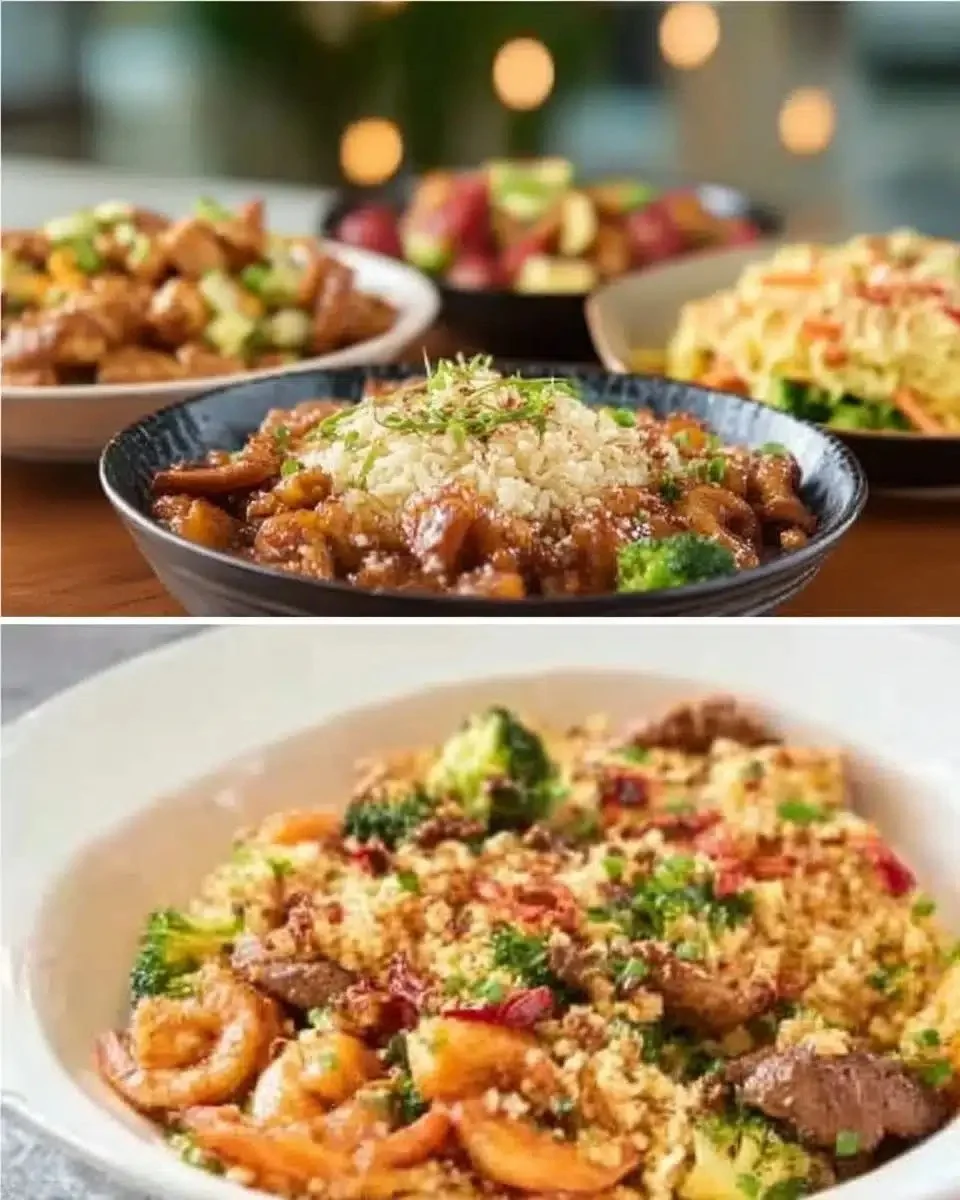
Pesto Chicken Pasta: Creamy Weeknight One-Pot Meal
Bright, herb-forward basil pesto meets juicy pan-seared chicken and al dente pasta in one skillet of comforting flavor. Pesto Chicken Pasta sings with fresh basil, toasted pine nuts, and a splash of cream to make a glossy sauce that clings to every noodle — and the primary techniques here are built for busy home cooks. After testing this recipe eight times and refining cooking times and salt levels, I landed on an approach that gives tender chicken and a silky sauce in 35 minutes. I developed these timing cues while teaching weeknight classes and at a small bistro where simplicity mattered. If you want a richer green sauce or a lighter, dairy-free version, the swaps below make those changes simple. Read on for a clear ingredient breakdown, step-by-step timing, and pro tips to avoid common mistakes so this becomes your go-to dinner.
Why This Recipe Works
- Pesto emulsifies with a little reserved pasta water and cream to form a silky, clingy sauce that coats pasta evenly.
- Quick, high-heat searing locks moisture in the chicken while creating fond (brown bits) that deepen the sauce.
- Toasting pine nuts briefly brightens their flavor and prevents oiliness in the finished dish.
- Cooking the pasta just shy of al dente and finishing it in the sauce lets the noodles absorb flavor and reach perfect texture.
- A hint of lemon juice at the end brightens the pesto without masking basil.
Ingredients Breakdown
- Boneless, skinless chicken thighs or breasts (500 g / 1 lb): Thighs stay juicier; breasts give a leaner finish. If using breasts, slice thin for faster cooking.
- Dried pasta (320 g / 11 oz; about 12 oz): Use short shapes like penne, fusilli, or rigatoni so the sauce clings. Weight gives a consistent result.
- Store-bought or homemade basil pesto (150 g / 5 oz; about 1 cup): Pesto is the flavor base. Homemade is brighter; store-bought is fine—stir in a squeeze of lemon to wake it up.
- Olive oil (30 ml / 2 tbsp): For searing and loosening the sauce. Use extra-virgin for flavor.
- Heavy cream or half-and-half (60 ml / 1/4 cup): Adds silkiness; omit for dairy-free and use reserved pasta water instead.
- Chicken stock or low-sodium broth (240 ml / 1 cup): Builds sauce body; water works in a pinch but flavor will be flatter.
- Garlic (2 cloves, minced): Sauté briefly to avoid bitterness.
- Lemon juice (15 ml / 1 tbsp): Brightener at finish.
- Salt & black pepper: Season to taste; adjust after sauce reduces.
- Pine nuts (30 g / 1/4 cup), toasted: For texture and flavor. Substitute walnuts or almonds, but flavor will change.
- Parmesan, grated (40 g / 1/2 cup): For umami and creaminess; omit for dairy-free and add a pinch of nutritional yeast.
Substitution notes: You can swap Greek yogurt for cream, but the sauce will be tangier and thinner — stir it in off heat. If using a different salt, adjust: use less if your salt is finer.
I recommend using a sturdy, well-seasoned skillet (cast iron or stainless steel) so you get good fond when searing the chicken; it materially affects flavor.
Essential Equipment
- 12-inch (30 cm) skillet with lid (cast iron or heavy stainless steel): This size holds pasta and sauce without crowding. If you only have a 10-inch pan, cook in batches.
- Large pot for boiling pasta: Use plenty of water so pasta has room to move.
- Digital instant-read thermometer: Check chicken reaches 74°C (165°F) for safety.
- Measuring cups and a kitchen scale: Weigh pasta and pesto for consistent results.
- Tongs and a wooden spoon: For stirring and tossing.
- Microplane or fine grater for Parmesan.
If you lack a skillet large enough, finish the sauce in the pasta pot and toss there as a workaround. For a single-pan shortcut, see the skillet technique in our creamy Tuscan chicken pan for guidance.
Step-by-Step Instructions
Makes 4 servings | Prep: 15 minutes | Cook: 20 minutes | Inactive: None | Total: 35 minutes
Step 1: Prep the chicken and ingredients
Pat 500 g (1 lb) chicken thighs dry and season with 1 tsp (5 g) salt and 1/2 tsp (1 g) pepper. Measure 150 g (1 cup) pesto, 240 ml (1 cup) chicken stock, 60 ml (1/4 cup) cream, and toast 30 g (1/4 cup) pine nuts in a dry skillet for 2–3 minutes until fragrant; watch carefully to avoid burning.
Step 2: Cook the pasta
Bring a large pot of salted water to a rolling boil and add 320 g (11 oz) pasta. Cook for 1–2 minutes less than package directions — about 7–9 minutes depending on shape — until very firm to the bite (slightly under al dente). Reserve 240 ml (1 cup) pasta cooking water, then drain.
Step 3: Sear the chicken
Heat 30 ml (2 tbsp) olive oil in a 12-inch skillet over medium-high heat until shimmering. Add chicken and sear 4–5 minutes per side until a deep golden crust forms and an instant-read thermometer registers 74°C (165°F). Transfer to a plate and rest for 5 minutes, then slice.
Step 4: Build the sauce
Lower heat to medium and add 1 tbsp olive oil and 2 cloves minced garlic. Sauté 30–45 seconds until fragrant. Pour in 240 ml (1 cup) chicken stock and simmer 3–4 minutes to reduce slightly, scraping up brown bits. Stir in 150 g (1 cup) pesto, 60 ml (1/4 cup) cream, and 120 ml (1/2 cup) reserved pasta water; simmer 2–3 minutes until glossy.
Step 5: Finish with pasta and chicken
Add drained pasta to the skillet and toss 1–2 minutes until the sauce clings and noodles finish cooking. Return sliced chicken to the pan and warm through for 1 minute. Taste and adjust salt; finish with 15 ml (1 tbsp) lemon juice and 40 g (1/2 cup) grated Parmesan. Do not overcook the pasta — finish it in the sauce.
Expert Tips & Pro Techniques
- Brown the chicken in a hot pan and don’t crowd it. Overcrowding steams the meat and prevents a good crust.
- Use reserved pasta water for emulsification: its starch helps the pesto and cream bind to noodles.
- Common mistake: adding cold cream or pesto to a hot pan can separate the sauce. Instead, off the heat, whisk a small ladle of warm stock into the pesto before adding to the skillet.
- Make-ahead: Cook and cool the chicken and pasta separately, then store in airtight containers for up to 2 days. Reheat gently in a skillet with a splash of stock or cream.
- Professional trick adapted for home cooks: Finish with a tablespoon of cold butter off heat to give the sauce extra gloss and roundness.
- If the pesto is too intense, thin the sauce with more reserved pasta water and add a squeeze of lemon to balance.
Storage & Reheating
- Refrigerator: Store leftovers in an airtight container for 3–4 days. Keep sauce and pasta together — the flavor improves slightly after the first day.
- Freezer: This dish is not ideal for long-term freezing because the cream and pesto can separate and the pasta can become mushy. If you must freeze, freeze the chicken and sauce separately in shallow containers for up to 1 month; thaw overnight in the fridge.
- Reheating: Reheat gently on the stovetop over low heat with 1–2 tbsp (15–30 ml) chicken stock or water, stirring until warm, 4–6 minutes. Avoid high heat or microwaving for best texture.
Variations & Substitutions
- Dairy-Free Version: Omit cream and Parmesan. After step 4, whisk in 120–180 ml (1/2–3/4 cup) reserved pasta water and 1 tbsp lemon juice for brightness. Use a vegan pesto or blend basil with olive oil, lemon, and nutritional yeast.
- Lighter Version: Use 500 g (1 lb) chicken breast cut thin and replace cream with 60 ml (1/4 cup) low-fat yogurt stirred in off heat. Cooking time for chicken reduces to 3–4 minutes per side.
- One-Pot Shortcut: Brown chicken, remove, then add pasta, stock (480 ml / 2 cups), and pesto to the skillet; simmer covered until pasta is tender, 10–12 minutes, stirring occasionally. This method changes texture slightly but saves cleanup.
- Add Veggies: Stir in 150 g (1 cup) peas or 200 g (7 oz) halved cherry tomatoes in step 5; if using frozen peas, add them in the last 1–2 minutes to heat through.
- Nut Swap: Replace pine nuts with 30 g (1/4 cup) toasted walnuts to save money; the flavor will be earthier.
Serving Suggestions & Pairings
- Light salad: Toss baby arugula with lemon vinaigrette to cut the richness. Try pairing it with our irresistible chicken parmesan pasta-style greens for a comforting combo.
- Bread: Serve with crusty sourdough or garlic bread to mop up sauce.
- Beverage: A crisp Pinot Grigio or a dry rosé complements the herbiness.
- Garnish: Finish with extra toasted pine nuts and a scattering of fresh basil leaves for color and crunch.
Nutrition Information (per serving)
Serving size: 1 large bowl | Servings: 4
- Calories: 640 kcal
- Total Fat: 34 g
- Saturated Fat: 10 g
- Cholesterol: 120 mg
- Sodium: 720 mg
- Total Carbohydrates: 52 g
- Dietary Fiber: 3 g
- Sugars: 3 g
- Protein: 36 g
Nutrition values are estimates. Actual values may vary based on specific ingredients and preparation methods.
Frequently Asked Questions
Q: Why did my pasta sauce turn oily?
A: If pesto or oil separates, it likely got too hot or had too much oil. Remove from heat, whisk in reserved pasta water slowly, and finish with a splash of cream or lemon to re-emulsify.
Q: Can I make this without eggs?
A: Yes — this recipe contains no eggs. If you meant egg pasta, any dry durum wheat pasta works fine; fresh egg pasta will cook faster, reduce sauce time accordingly.
Q: Can I double this recipe?
A: Yes, you can double ingredients, but use a very large pan or two skillets so you can brown chicken in batches. Overcrowding reduces browning and steam-cooks the meat.
Q: Can I prepare this the night before?
A: You can cook components ahead: slice and refrigerate cooked chicken and undercook pasta by 1–2 minutes. Reheat together in a skillet with a splash of stock. This keeps texture close to fresh.
Q: How long does this keep in the fridge?
A: Stored in an airtight container, it keeps 3–4 days. Reheat gently on the stovetop, adding liquid if needed.
Q: My chicken was dry — what went wrong?
A: Likely overcooked. Use an instant-read thermometer and remove at 74°C (165°F), then rest 5 minutes. Thinner slices cook faster; adjust searing time accordingly.
Q: Can I use homemade pesto? Does the recipe change?
A: Yes — homemade pesto is flavorful. If your pesto is very oily, reduce added olive oil in the pan and use slightly less cream to avoid a greasy sauce.
Conclusion
This Pesto Chicken Pasta is a reliable weeknight winner: fast, flexible, and full of fresh basil flavor. For a creamier, spoon-saucy version with extra cheese and a richer texture, check out Creamy Chicken Pesto Pasta – The Mediterranean Dish. If you prefer a true one-pot shortcut that minimizes dishes, see the technique in One Pot Creamy Pesto Chicken Pasta Recipe – Budget Bytes for ideas.
Print
Pesto Chicken Pasta
- Total Time: 35 minutes
- Yield: 4 servings 1x
- Diet: Non-Vegetarian
Description
Creamy weeknight one-pot meal with basil pesto, juicy chicken, and al dente pasta.
Ingredients
- 500 g boneless, skinless chicken thighs or breasts
- 320 g dried pasta (short shapes like penne, fusilli, or rigatoni)
- 150 g store-bought or homemade basil pesto
- 30 ml olive oil
- 60 ml heavy cream or half-and-half
- 240 ml chicken stock or low-sodium broth
- 2 cloves garlic, minced
- 15 ml lemon juice
- Salt & black pepper to taste
- 30 g pine nuts, toasted
- 40 g grated Parmesan
Instructions
- Prep the chicken and ingredients: Pat chicken dry and season with salt and pepper. Measure pesto, chicken stock, cream, and toast pine nuts in a dry skillet until fragrant.
- Cook the pasta: Bring salted water to a boil, add pasta, and cook until very firm to the bite. Reserve pasta water and drain.
- Sear the chicken: Heat olive oil in a skillet, add chicken, and sear until golden brown and cooked through. Transfer to a plate and rest.
- Build the sauce: Lower heat, sauté garlic in olive oil, add chicken stock, and simmer. Stir in pesto, cream, and reserved pasta water; simmer until glossy.
- Finish with pasta and chicken: Toss drained pasta in the sauce, add sliced chicken, and warm through. Adjust seasoning and finish with lemon juice and Parmesan.
Notes
For a dairy-free version, omit cream and Parmesan. You can also swap Greek yogurt for cream for a tangier flavor.
- Prep Time: 15 minutes
- Cook Time: 20 minutes
- Category: Main Course
- Method: One-Pot Cooking
- Cuisine: Italian
Nutrition
- Serving Size: 1 bowl
- Calories: 640
- Sugar: 3g
- Sodium: 720mg
- Fat: 34g
- Saturated Fat: 10g
- Unsaturated Fat: 14g
- Trans Fat: 0g
- Carbohydrates: 52g
- Fiber: 3g
- Protein: 36g
- Cholesterol: 120mg