
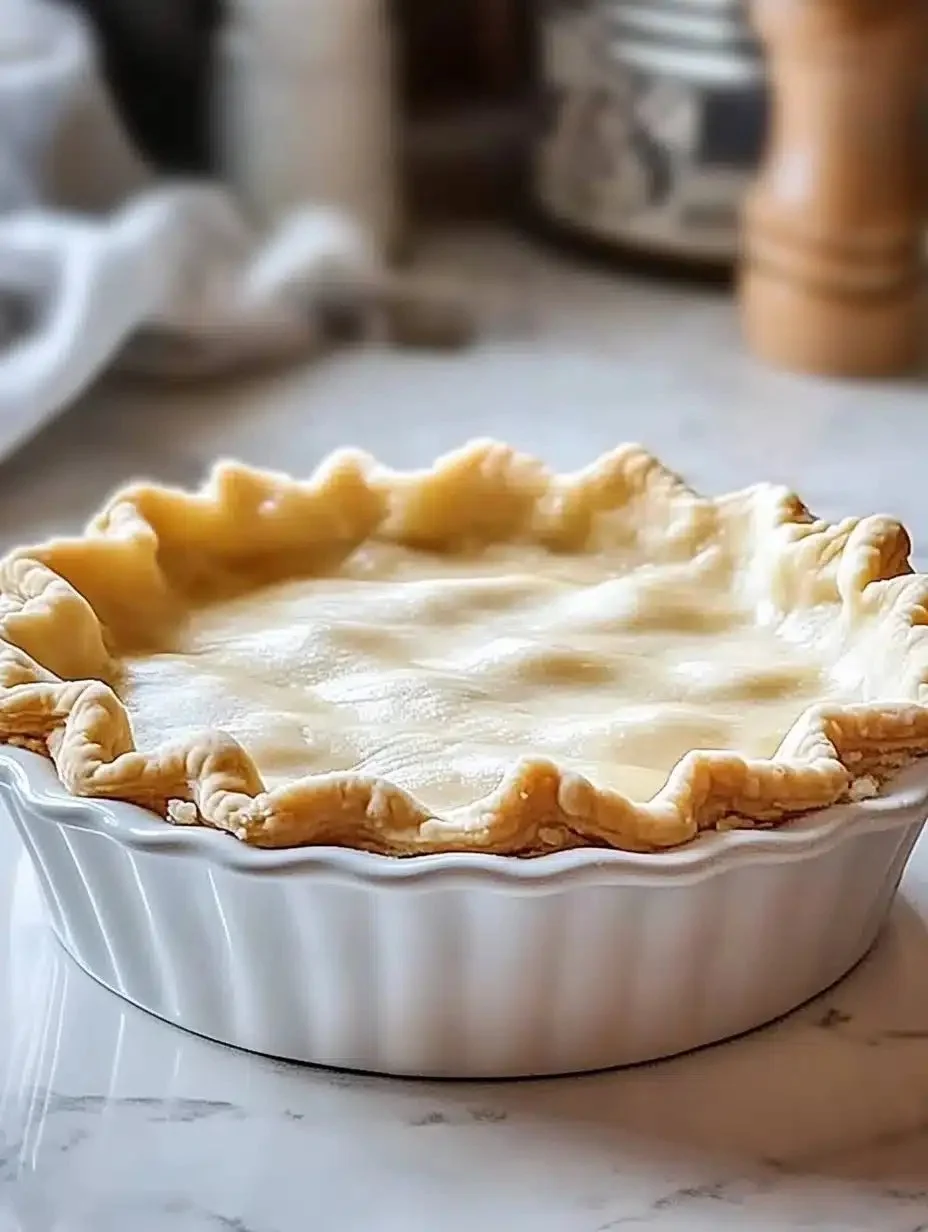
Easy Pie Crust — Flaky Homemade Pastry
The smell of warm butter and toasted flour is irresistible, and this easy pie crust delivers that aroma in every bite. After testing this recipe 12 times with different flours and butter ratios, I settled on a balance that gives consistent flakiness, reliable structure, and a buttery flavor that doesn’t overpower fillings. This is the version I perfected while writing a seasonal pies chapter and teaching home bakers at weekend classes. It’s fast, forgiving, and ideal for both sweet and savory pies — from fruit-filled summer tarts to pot pies you’ll serve for dinner. Read on for a clear ingredient breakdown, exact measurements in metric and imperial, step-by-step technique notes, and pro tips that usually live in pastry kitchens.
If you’re looking for dessert ideas to go with a fresh tart, see our collection of easy summer recipes for bright pairings and simple sweets.
Why This Recipe Works
- Cold butter in pea-sized pieces creates layers that steam during baking, producing a flaky texture.
- A short mixing time prevents gluten from overdeveloping, keeping the crust tender rather than tough.
- A small amount of sugar improves browning and adds balance for sweet pies without making the dough sticky.
- Resting the dough for 30 minutes hydrates flour and relaxes gluten, making rolling easier and preventing shrinkage.
- Using ice water in measured amounts lets you add only what the dough needs for cohesion, avoiding a soggy crust.
Ingredients Breakdown
- 250 g (2 cups) all-purpose flour — The structure of the crust. Use a spoon-and-level method for accurate cups or weigh for best results.
- Substitute: For a slightly lighter crust, use 200 g all-purpose + 50 g cake flour. For gluten-free, see the Variations section.
- 1 tsp (5 g) fine salt — Brings out the butter flavor and balances sweetness. If using Morton kosher salt, use 1¼ tsp; for Diamond Crystal, 1 tsp is correct.
- 1 tbsp (12 g) granulated sugar — Optional; helps browning and flavor in sweet pies. Omit for savory pies.
- 170 g (12 tbsp / 1.5 sticks) cold unsalted butter, cut into 1–2 cm (½-inch) cubes — Provides flavor and flakiness. Do not soften the butter.
- Substitute: Vegetable shortening (same weight) yields a very tender crust but less flavor. A half-butter, half-shortening swap can be a good compromise.
- 60–90 ml (¼–⅓ cup) ice water — Start with 60 ml and add by tablespoons until dough just comes together. Water amount varies with humidity and flour.
- 1 large egg beaten with 1 tbsp water (optional egg wash) — Gives a glossy, golden finish. Skip for vegan recipes or brush with milk alternative.
Ingredient impact warnings: Using melted or warm butter will create a dense, cookie-like crust instead of flakes. Overworking the dough will develop too much gluten and make it tough.
Essential Equipment
- 9-inch (23 cm) pie plate or tart pan — This recipe fits a 9-inch pan best; using a smaller 8-inch will cause overflow with filled pies.
- Large mixing bowl and a bench scraper — For mixing and gathering dough. A bench scraper is faster and keeps hands cooler.
- Pastry cutter / two forks / food processor — A food processor works for speed, but pulse carefully to avoid overmixing. If using a processor, pulse in 6–10 short bursts.
- Rolling pin and lightly floured surface — Use a pin with a smooth surface and roll from center outward.
- Plastic wrap or wax paper — To chill dough without sticking.
- Baking weights or dried beans (for blind baking) — If pre-baking crust, use weights to prevent bubbles.
- Optional: Pastry cloth and ruler for exact circular size. If you don’t have one, use parchment and a round plate to trim.
For a one-bowl, hands-off option, see a simple savory variation in our crustless taco pie post for inspiration on structure without pastry.
Step-by-Step Instructions
Makes 8 servings | Prep 15 minutes active | Cook 20 minutes | Inactive (chill) time 30 minutes | Total about 65 minutes
Step 1: Measure and chill ingredients
Weigh 250 g (2 cups) all-purpose flour, 1 tsp (5 g) salt, and 1 tbsp (12 g) sugar into a bowl. Cut 170 g (12 tbsp/1.5 sticks) cold unsalted butter into 1–2 cm cubes and chill for 10 minutes before use. This ensures the butter stays cold when mixed.
Step 2: Cut the butter into the flour
Using a pastry cutter or two forks, work the butter into the flour until the mixture resembles coarse cornmeal with pea-sized bits of butter remaining, about 2–4 minutes. If using a food processor, pulse 6–8 times. Do not overmix — stop when you still see small chunks of butter.
Step 3: Add ice water sparingly
Sprinkle 60 ml (¼ cup) ice water over the mix and gently fold with a spatula or pulse twice in the processor. Add more water 1 tbsp (15 ml) at a time if the dough is dry; you may need up to 90 ml (⅓ cup). The dough should hold together when squeezed but not be wet. This should take 1–3 minutes total.
Step 4: Form and chill the dough
Gather the dough into a flattened disc, about 2.5 cm (1 inch) thick, and wrap tightly in plastic wrap. Chill in the refrigerator for at least 30 minutes — this is the inactive time. Chilling firms the butter and lets the flour hydrate, making the dough easier to roll.
Step 5: Roll and transfer to pan
Lightly flour a work surface and roll the chilled dough from center outward to a 30 cm (12-inch) circle for a 9-inch pan, turning the dough every few rolls. Transfer by gently folding into quarters, set in the pan, and unfold. Trim to a 2 cm (¾-inch) overhang and crimp the edges. Rolling should take 3–5 minutes.
Step 6: Blind bake if needed
For pre-baked shells, chill the crust 15 minutes, line with parchment, and fill with baking weights. Bake in a preheated 190°C (375°F) oven for 15–20 minutes until the edges are lightly golden, then remove weights and bake 5–7 more minutes until the bottom is set. For filled pies, follow your filling’s baking instructions but aim for an internal temperature of 74°C (165°F) for cooked savory fillings.
Step 7: Finish and bake with filling
If your pie will bake with filling, brush the crust with beaten egg for a golden finish and bake per the recipe. If the filling needs longer baking and the crust edges brown too fast, cover them with foil or an edge shield.
Expert technique: For an ultra-flaky top crust, brush the surface very lightly with cold water right before baking to encourage flake separation.
Expert Tips & Pro Techniques
- Chill everything: Cold flour, cold butter, and cold water yield the best flakes. Keep hands cool; if the butter warms, pop the dough back in the fridge for 10 minutes.
- Common mistake — overworking: If the dough feels elastic and springs back when rolled, you developed too much gluten. Return to the refrigerator and rest 20–30 minutes before continuing.
- Use a fluting technique: Crimp the edge with your index finger and thumb for a uniform seal that shrinks less during baking.
- Make-ahead: Dough holds well in the fridge for 48 hours wrapped tightly, or freeze for up to 1 month. Thaw overnight in the fridge before rolling.
- Professional technique adapted for home cooks: Freeze butter, then grate it into flour using a box grater. The tiny frozen pieces distribute evenly and speed mixing.
- Avoid soggy bottoms: For juicy fruit pies, bake on the lowest rack and use a hot baking sheet under the pie to set the bottom crust quickly.
- Rolling tip: If the dough cracks while rolling, press the cracks gently with the heel of your hand and sprinkle a few drops of ice water to patch.
Storage & Reheating
- Refrigerator: Store wrapped tightly in plastic wrap or in an airtight container for up to 2 days for unbaked dough; baked, filled pies keep 3–4 days in the fridge.
- Freezer: Unbaked dough discs freeze well for up to 1 month. Wrap in plastic and then foil. To use, thaw overnight in the refrigerator. Baked, unfilled crusts also freeze for up to 2 months — reheat from frozen in a 175°C (350°F) oven for 8–12 minutes.
- Reheating: For baked pies, reheat slices at 175°C (350°F) for 10–12 minutes to revive flakiness. Avoid microwaving; it softens the crust and makes it soggy.
Variations & Substitutions
- Gluten-Free Version: Replace 250 g (2 cups) all-purpose flour with 250 g (2 cups) 1:1 gluten-free blend (such as Bob’s Red Mill 1:1). Add ½ tsp xanthan gum if the blend lacks it. Chill as directed; baking time may increase 2–4 minutes.
- Vegan Version: Replace butter with 200 g (¾ cup + 2 tbsp) solid vegan shortening or a vegan butter substitute, and use a flax "egg" wash (1 tbsp ground flax + 2.5 tbsp water) for glazing. Expect slightly less flavor from butter swap.
- Savory Herb Crust: Reduce sugar to 0, add 1 tsp dried thyme or rosemary to the flour, and substitute 15 g (1 tbsp) grated Parmesan for 1 tbsp of flour for added depth. Bake time unchanged.
- Graham or Cookie Crust: For no-rolling crusts, pulse 200 g (about 2 cups) graham cracker crumbs with 50 g (¼ cup) sugar and 113 g (½ cup) melted butter, press into pan, and chill 30 minutes. No blind bake unless recipe calls for it.
- Double-Crust Fruit Pie: Roll a top crust and cut vents; brush with egg wash and sprinkle 1 tsp sugar. Baking time increases based on filling; consult fruit pie instructions for final bake times. For an idea of using apple flavors, see our apple butter pie post for a filling that pairs beautifully with this dough.
Serving Suggestions & Pairings
- Classic apple or berry filling with a scoop of vanilla ice cream. For a complementary dessert board, check our apple pie macarons for a refined side dessert.
- Savory chicken pot pie with buttered peas and roasted carrots for a cozy weeknight dinner.
- A simple mixed green salad with a lemon vinaigrette cuts richness for a balanced meal.
- Beverage pairing: A bright Riesling or a medium-bodied cider complements fruit pies; serve coffee or black tea with savory pies. For festive occasions, consider a light sparkling wine.
Nutrition Information
Per serving (1 slice). Recipe yields 8 servings.
- Serving size: 1 slice (1/8 of crust)
- Calories: 270 kcal
- Total Fat: 18 g
- Saturated Fat: 10 g
- Cholesterol: 40 mg (if egg wash used)
- Sodium: 220 mg
- Total Carbohydrates: 24 g
- Dietary Fiber: 1 g
- Sugars: 2 g
- Protein: 4 g
Nutrition values are estimates. Actual values may vary based on specific ingredients and preparation methods.
Frequently Asked Questions
Q: Why did my crust turn out tough instead of flaky?
A: Tough crust usually means the dough was overworked or the butter warmed while mixing. Chill the dough for 20–30 minutes and handle it gently; stop mixing as soon as the dough holds together.
Q: Can I make this without eggs?
A: Yes. The egg is only for brushing the crust to get a golden finish. Skip the egg or use a plant-based milk for vegan pies; it won’t affect the structure.
Q: Can I double this recipe?
A: Yes, you can double the ingredients. Mix in a larger bowl and divide the dough into two discs to chill. Rolling may be easier after chilling each disc separately.
Q: Can I prepare this the night before?
A: Absolutely. Wrap the dough tightly and store it in the refrigerator for up to 48 hours. Bring it to firmness in the fridge before rolling; if it gets too cold and cracks, let it sit 10 minutes at room temperature.
Q: How long does this keep in the fridge?
A: Unbaked dough keeps up to 48 hours refrigerated. Baked, filled pies keep 3–4 days refrigerated in an airtight container.
Q: My bottom crust is soggy. How do I avoid that?
A: Par-bake (blind bake) the crust for juicy fillings, use a hot baking sheet under the pie to set the bottom quickly, and thicken wet fillings slightly before filling the crust.
Q: Is a food processor better than hand cutting the butter?
A: A processor is faster but can overwork the dough. Pulse in short bursts and stop when pea-sized butter pieces remain. For beginners, hand-cutting gives more control.
Conclusion
This easy pie crust is built for busy home bakers who want reliable, flaky results without fuss. It works for sweet tarts and savory pies, adapts to dietary needs, and stores well when made ahead. For a video version to watch the technique and see how the dough looks at each stage, try the Natasha’s Kitchen pie crust recipe with video. If you want another short, straightforward guide to compare methods, read the concise Easy Pie Crust guide on CincyShopper.
Print
Easy Pie Crust — Flaky Homemade Pastry
- Total Time: 65 minutes
- Yield: 8 servings 1x
- Diet: Vegetarian
Description
A perfect flaky pie crust that combines cold butter and a precise method for sweet or savory pies.
Ingredients
- 250 g (2 cups) all-purpose flour
- 1 tsp (5 g) fine salt
- 1 tbsp (12 g) granulated sugar
- 170 g (12 tbsp / 1.5 sticks) cold unsalted butter, cut into 1–2 cm cubes
- 60–90 ml (¼–⅓ cup) ice water
- 1 large egg beaten with 1 tbsp water (optional egg wash)
Instructions
- Weigh and chill ingredients: Measure flour, salt, and sugar into a bowl. Cut cold butter into cubes and chill for 10 minutes.
- Cut the butter into the flour: Mix until the mixture resembles coarse cornmeal with small chunks of butter remaining.
- Add ice water: Sprinkle ice water over the mix and gently fold until the dough holds together.
- Form and chill the dough: Shape the dough into a disc, wrap in plastic wrap, and chill for at least 30 minutes.
- Roll and transfer to pan: Roll the dough into a 30 cm (12-inch) circle, transfer to a pie plate, and trim the edges.
- Blind bake if needed: Chill the crust, line with parchment, fill with weights, and bake until lightly golden.
- Finish and bake with filling: Brush crust with egg wash and bake according to your filling’s instructions.
Notes
Keep ingredients cold to achieve the best flaky texture. Can be made ahead and frozen for later use.
- Prep Time: 15 minutes
- Cook Time: 20 minutes
- Category: Dessert
- Method: Baking
- Cuisine: American
Nutrition
- Serving Size: 1 slice (1/8 of crust)
- Calories: 270
- Sugar: 2g
- Sodium: 220mg
- Fat: 18g
- Saturated Fat: 10g
- Unsaturated Fat: 8g
- Trans Fat: 0g
- Carbohydrates: 24g
- Fiber: 1g
- Protein: 4g
- Cholesterol: 40mg