
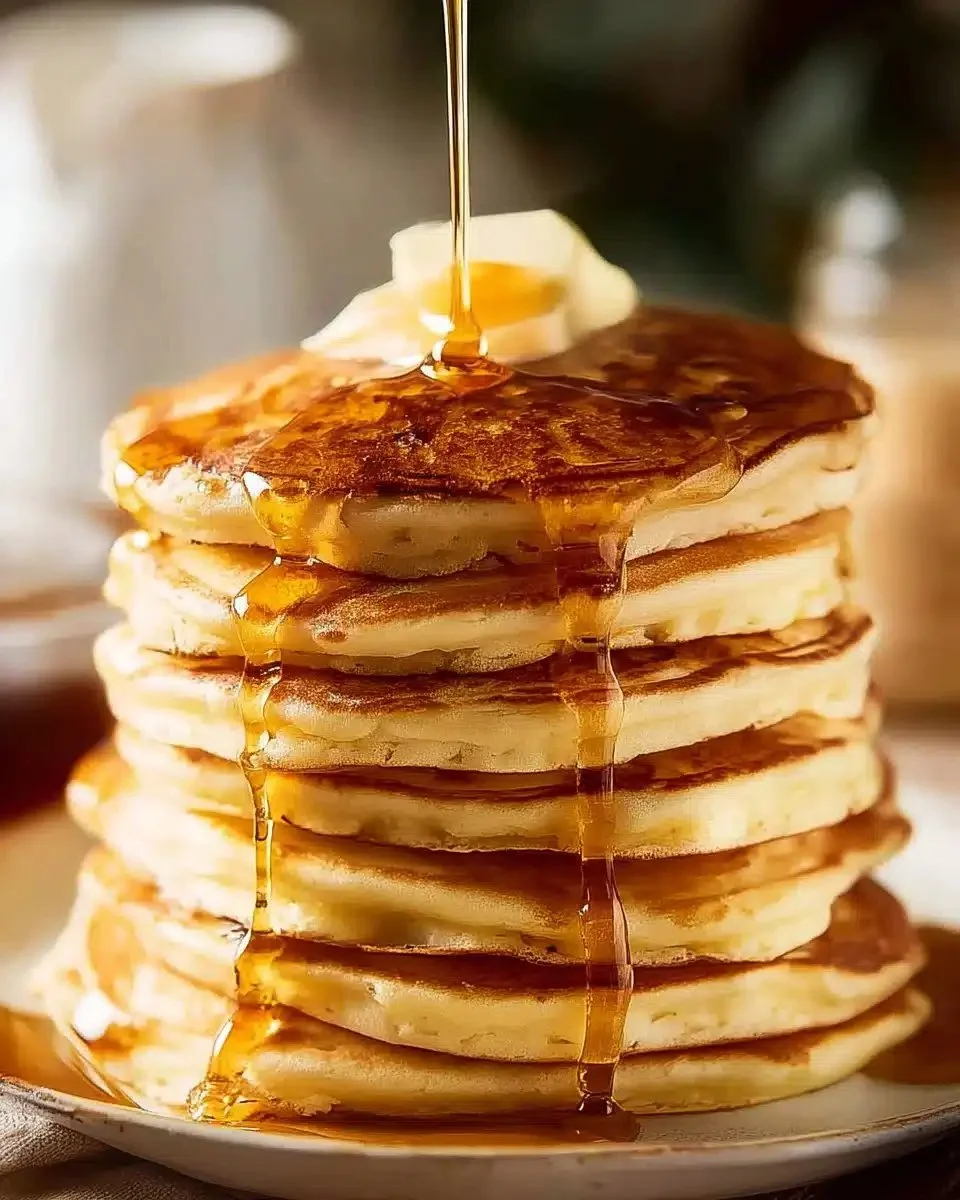
Fluffy Pancakes Recipe — Easy, Light & Tender
Warm, buttery stacks that bloom on the griddle and smell like Saturday mornings. I developed this version to deliver tall, tender pancakes without fancy tools, and it uses simple pantry staples so you can make them any morning. After testing this recipe 12 times with different milks and flours, I settled on the balance below for the most reliable rise and soft crumb. If you like fruit variations, try the banana twist in this fluffy banana pancakes post for a sweet swap. Read on for precise measurements, chef-tested techniques, and timing so your griddle game is always on point.
Why This Recipe Works
- The batter uses a modest proportion of leavening and acid to create lift without a metallic aftertaste.
- A short rest (10–15 minutes) hydrates the flour and traps air for a lighter texture.
- A two-step mixing method (whisk dry, whisk wet, fold together) prevents overworked gluten and keeps pancakes tender.
- Gentle heat and a well-oiled nonstick surface produce even browning and clean flip lines.
- Small eggs and room-temperature dairy help emulsify the batter so it holds structure while cooking.
Ingredients Breakdown
- All-purpose flour: 250 g (2 cups). Provides structure. For a lighter crumb, sift before measuring.
Substitution: Use 250 g (2 cups) 1:1 gluten-free blend + ½ tsp xanthan gum — texture will be slightly denser. - Granulated sugar: 25 g (2 tbsp). Feeds the browning reaction and balances flavor. Omit for savory toppings.
- Baking powder: 15 g (1 tbsp). Main leavener. Do not substitute with baking soda alone — you’ll need acid for lift.
- Fine sea salt: 4 g (¾ tsp). Enhances flavor. If using Morton kosher salt, use 1¼ tsp; if using Diamond Crystal, use ¾ tsp.
- Egg: 1 large (beat lightly). Adds stability and color.
- Whole milk: 240 ml (1 cup). Hydrates the batter. For thicker, fluffier stacks, use 200 ml (¾ cup) milk + 40 ml (3 tbsp) yogurt.
Note: For buttermilk-style tang, substitute 240 ml (1 cup) buttermilk — this creates a slightly more tender, tangy profile similar to classic buttermilk pancakes. - Melted unsalted butter: 45 g (3 tbsp) cooled slightly. Adds richness and helps browning. For dairy-free, use coconut oil but expect a mild coconut aroma.
- Vanilla extract: 5 ml (1 tsp). Brightens flavor.
Essential Equipment
- 20–25 cm (8–10 inch) nonstick skillet or griddle — surface size controls pancake diameter.
- Spatula with a thin edge for clean flips.
- Measuring scale for flour accuracy (recommended) or dry measuring cups.
- Whisk and one medium mixing bowl plus one large bowl for wet ingredients.
- 60 ml (¼ cup) measuring cup or small ladle for consistent pancakes.
If you don’t have a nonstick skillet, use a well-seasoned cast-iron pan and preheat longer; reduce heat by 1 setting to avoid burning.
Step-by-Step Instructions
This recipe makes 4 servings (about 8 medium pancakes). Prep time 10 minutes, Cook time 15 minutes, Inactive time 10–15 minutes resting, Total time about 35 minutes.
Step 1: Mix the dry ingredients
In a medium bowl, whisk 250 g (2 cups) all-purpose flour, 25 g (2 tbsp) sugar, 15 g (1 tbsp) baking powder, and 4 g (¾ tsp) fine sea salt until homogenous, about 20 seconds. Do not overmix — you want the dry mix evenly combined, not aerated.
Step 2: Combine the wet ingredients
In a large bowl, whisk 1 large egg, 240 ml (1 cup) whole milk, 45 g (3 tbsp) melted unsalted butter (cooled), and 5 ml (1 tsp) vanilla until smooth, about 20–30 seconds. The butter should be warm, not hot, to avoid cooking the egg.
Step 3: Fold wet into dry
Pour the wet into the dry and stir gently with a spatula until most streaks of flour are gone. The batter should be slightly lumpy. Stop when no dry pockets remain; do not beat. This takes about 10–20 seconds of folding.
Step 4: Rest the batter
Let the batter rest for 10–15 minutes at room temperature. This hydrates the flour and lets the baking powder start to bubble. You’ll see small bubbles forming — that’s your signal the batter is ready.
Step 5: Heat the pan
Set your skillet over medium heat and let it warm for 3–4 minutes. Add a small smear of butter or neutral oil and wipe excess with a paper towel so the surface is lightly slick. The pan should register roughly 175–190°C (350–375°F) on an infrared thermometer; if you don’t have one, sprinkle a few drops of water — they should dance and evaporate quickly.
Step 6: Cook the pancakes
Spoon 60 ml (¼ cup) batter per pancake onto the skillet. Cook until edges look set and small bubbles pop on the surface, 2–3 minutes. Flip and cook until the second side is golden brown, 1–2 minutes more. Total per-cake time: 3–5 minutes. Look for a tender spring-back when pressed gently.
Step 7: Keep warm and serve
Transfer cooked pancakes to a wire rack placed over a baking sheet and keep warm in a 90–100°C (200–210°F) oven for up to 20 minutes. This prevents sogginess and keeps them crisp-edged.
Expert Tips & Pro Techniques
- Use a scale for flour. Scooping with a cup can add 10–20% more flour and yield dense pancakes.
- Common mistake: overmixing. If batter is smooth, the gluten is overdeveloped and pancakes will be tough. Fold just until combined.
- For extra lift, separate one egg. Beat the white to soft peaks and fold into batter last — you’ll get taller, airier pancakes like a diner-style stack.
- Make-ahead: Prepare batter up to the end of Step 3 and refrigerate in an airtight container for up to 24 hours; bring to room temperature and give a gentle stir before cooking.
- Professional trick for even browning: use a silicone brush to apply a thin, even layer of oil between batches so the pan temperature stays steady.
- For consistent sizes and neat edges, pour batter from a squeeze bottle or use a measuring cup held close to the pan.
- If you want a tangier profile, try this version inspired by classic buttermilk pancakes — substitute 240 ml (1 cup) buttermilk for the milk. This is also a good idea if you’re after denser rise and deeper flavor in the crust.
(Additional reading on a Greek yogurt twist: Greek yogurt pancakes.)
Storage & Reheating
- Refrigerator: Cool pancakes completely, then stack with parchment paper between layers and store in an airtight container for up to 3 days.
- Freezer: Flash-freeze single layers on a baking sheet for 1 hour, then transfer to a freezer bag. Freeze up to 2 months. Reheat directly from frozen.
- Reheating: Reheat in a 175°C (350°F) oven for 7–10 minutes for refrigerated pancakes, or 12–15 minutes from frozen. For crisp edges, place on a wire rack over a baking sheet. Avoid microwaving — it makes them rubbery.
Variations & Substitutions
- Gluten-Free Version: Replace 250 g (2 cups) all-purpose flour with 250 g (2 cups) 1:1 GF blend and add ½ tsp xanthan gum. Cook time is the same; texture will be slightly denser.
- Buttermilk Version: Substitute 240 ml (1 cup) buttermilk for milk and reduce baking powder to 12 g (2½ tsp) because the acid reacts more. You’ll get a tangy, tender pancake reminiscent of classic diner buttermilk pancakes.
- Whole-Wheat Variation: Replace 80 g (¾ cup) of the all-purpose flour with 80 g (¾ cup) whole-wheat flour and add 30–60 ml (2–4 tbsp) extra milk if batter seems too thick. Flavor will be nuttier and denser.
- Vegan/Dairy-Free: Use 240 ml (1 cup) almond milk + 1 tbsp apple cider vinegar (let sit 5 minutes) as the liquid, replace the egg with 1 tbsp ground flaxseed + 3 tbsp water (let sit 5 minutes), and swap butter for 45 g (3 tbsp) melted coconut oil. Expect a slight flavor change and slightly denser texture.
Serving Suggestions & Pairings
- Classic: Serve stacks with butter and pure maple syrup and a scattering of toasted nuts.
- Fruit-forward: Top with macerated berries and a dollop of yogurt or crème fraîche.
- Savory idea: Layer with smoked salmon, crème fraîche, and chives for a brunch twist.
- Drinks: Pair with strong coffee or a citrusy mocktail — see bright mixers in our lemon-lime fizz ideas.
For a finishing sprinkle, try a pinch of mineral-forward salt; learn more about salt choices in our Himalayan pink salt uses guide.
Nutrition Information
Per serving: 2 pancakes (recipe makes 4 servings)
- Calories: 360 kcal
- Total Fat: 15 g
- Saturated Fat: 8 g
- Cholesterol: 95 mg
- Sodium: 520 mg
- Total Carbohydrates: 46 g
- Dietary Fiber: 1.5 g
- Sugars: 8 g
- Protein: 8 g
Nutrition values are estimates. Actual values may vary based on specific ingredients and preparation methods.
Frequently Asked Questions
Q: Why did my pancakes turn out flat and dense?
A: Usually from overmixing the batter or using too much flour. Fold gently and measure flour by weight. Also check that your baking powder is fresh; replace if over 6 months old.
Q: Can I make this without eggs?
A: Yes. Replace 1 large egg with 1 tablespoon ground flaxseed mixed with 3 tablespoons water (let sit 5 minutes). Texture will be slightly denser.
Q: Can I double this recipe for a crowd?
A: Yes. Double all ingredients and cook in batches. Keep cooked pancakes warm in a 90–100°C (200–210°F) oven on a wire rack. Batter resting time remains 10–15 minutes.
Q: Can I prepare the batter the night before?
A: You can mix through Step 3 and refrigerate up to 24 hours. Bring to room temperature for 15–20 minutes and give a gentle stir before cooking.
Q: How long do pancakes keep in the fridge?
A: Stored in an airtight container, cooked pancakes keep 3 days in the refrigerator.
Q: My pancakes brown too fast on the outside but are raw inside. What should I do?
A: Reduce the heat by one notch and let the pan preheat longer so the temperature is even. Use a thermometer target of ~175–190°C (350–375°F) for the pan surface.
Q: Is there an easy trick to make taller pancakes?
A: Yes — separate the egg, whisk the white to soft peaks, then fold it in last. That aerates the batter and yields taller stacks.
Conclusion
These pancakes balance speed and technique so you get light, tender results with familiar ingredients. For a visual walkthrough and a slightly different approach that also yields tall, airy stacks, see Laura Fuentes’ fluffy pancake recipe. If you want another tested method with helpful photo steps, check out Cafe Delites’ best fluffy pancakes guide.
Print
Fluffy Pancakes
- Total Time: 35 minutes
- Yield: 4 servings 1x
- Diet: Vegetarian
Description
Warm, buttery stacks of light and tender pancakes perfect for any morning.
Ingredients
- 250 g (2 cups) all-purpose flour
- 25 g (2 tbsp) granulated sugar
- 15 g (1 tbsp) baking powder
- 4 g (¾ tsp) fine sea salt
- 1 large egg, beaten lightly
- 240 ml (1 cup) whole milk
- 45 g (3 tbsp) melted unsalted butter
- 5 ml (1 tsp) vanilla extract
Instructions
- Mix the dry ingredients In a medium bowl, whisk the flour, sugar, baking powder, and salt until homogenous.
- Combine the wet ingredients In a large bowl, whisk the egg, milk, melted butter, and vanilla until smooth.
- Fold the wet into the dry Pour the wet into the dry and stir gently with a spatula until most streaks of flour are gone.
- Rest the batter Let the batter rest for 10–15 minutes at room temperature.
- Heat the pan Set your skillet over medium heat and let it warm for 3–4 minutes.
- Cook the pancakes Spoon 60 ml (¼ cup) batter per pancake onto the skillet. Cook until edges look set and small bubbles pop.
- Keep warm and serve Transfer cooked pancakes to a wire rack and keep warm in the oven for up to 20 minutes.
Notes
For a lighter crumb, sift flour before measuring. Use a scale for flour accuracy.
- Prep Time: 10 minutes
- Cook Time: 15 minutes
- Category: Breakfast
- Method: Griddling
- Cuisine: American
Nutrition
- Serving Size: 2 pancakes
- Calories: 360
- Sugar: 8g
- Sodium: 520mg
- Fat: 15g
- Saturated Fat: 8g
- Unsaturated Fat: 7g
- Trans Fat: 0g
- Carbohydrates: 46g
- Fiber: 1.5g
- Protein: 8g
- Cholesterol: 95mg