
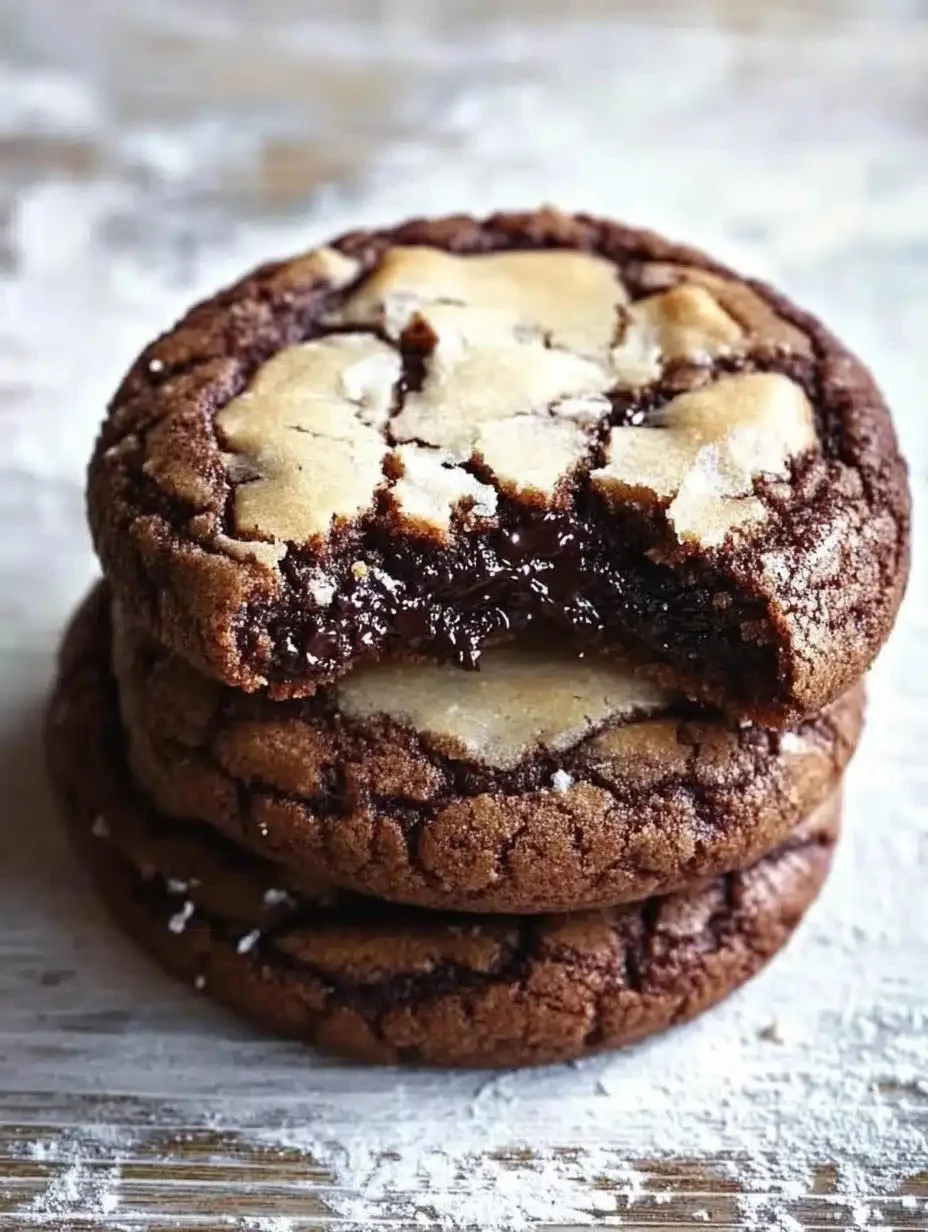
Simple Classic Cookie Recipe for Beginners
Warm, buttery aroma fills the kitchen the moment you start—Easy Homemade Cookies are the kind of treat everyone asks for seconds of. After testing this recipe 12 times with different sugars and baking times, I landed on a version that stays soft in the center and has a thin, crisp edge every time. I developed and refined it while teaching home-baking classes, so the steps are forgiving but exact when it matters.
This recipe is fast, uses pantry staples, and adapts to flavors like chocolate chip or cinnamon sugar. If you want a richer caramel tone, try the brown-sugar variation linked below. Read on for clear steps, pro tips, and sensible swaps so your first batch comes out perfectly.
Why This Recipe Works
- Balanced sugar ratio (50:50 white to brown) gives chew with crisp edges.
- Cold butter pieces in a warm dough create small steam pockets for a tender crumb.
- Short, light mixing develops just enough gluten for structure without toughness.
- A brief chill before baking controls spread for uniform, bakery-style cookies.
- Tested with both convection and conventional ovens to match common home equipment.
Ingredients Breakdown
- All-purpose flour — 300 g (2 1/2 cups). Provides structure. For chewier cookies, reduce to 280 g (2 1/3 cups). If using a cup measure, spoon and level for accuracy.
- Baking soda — 5 g (1 tsp). Leavens and helps spread. Do not substitute with baking powder without adjusting acid in the recipe.
- Fine sea salt — 6 g (1 tsp). Enhances flavor. If using Morton kosher salt, use 1 1/2 tsp; if using Diamond Crystal, use 1 tsp.
- Unsalted butter — 170 g (12 tbsp / 3/4 cup), cold and cut into 1 cm cubes. Cold butter yields a tender interior and crisp edges; melted butter will create flatter, fudgier cookies.
- Granulated sugar — 100 g (1/2 cup). Adds sweetness and crispness.
- Light brown sugar, packed — 100 g (1/2 cup). Adds moisture and depth. Dark brown will increase molasses flavor.
- Large egg — 50 g (1 large). Room temperature for even mixing; can substitute with a flax egg for a vegan option (see Variations).
- Pure vanilla extract — 10 ml (2 tsp). Key flavor note.
- Optional mix-ins (chocolate chips, nuts, dried fruit) — 150 g (1 cup). Fold in at the last moment to avoid overmixing.
Substitutions with impact warnings:
- Gluten-free: Use a 1:1 GF flour blend and add 1/2 tsp xanthan gum; texture will be slightly more crumbly.
- Butter alternative: Vegan butter works, but expect a softer, less browned edge.
- Sugar swaps: All brown sugar yields chewier, darker cookies; all granulated yields crisper cookies.
Essential Equipment
- Medium mixing bowl and large mixing bowl — for dry and wet separation.
- Digital scale — recommended for accuracy with flour and butter.
- 1/2-tablespoon or cookie scoop — for uniform cookies (about 30 g / 1 oz per cookie).
- Baking sheet(s) — rimmed, 13 x 18 inches (half-sheet) preferred to avoid crowding.
- Parchment paper or reusable silicone mat — prevents sticking and promotes even browning.
- Cooling rack — for even cooling so bottoms stay crisp.
- If you don’t have a scale, use spoon-and-level cup measures and chill dough slightly longer to control spread.
- If you lack a cookie scoop, use two spoons to shape dough into balls.
Step-by-Step Instructions
Yields 24 cookies. Prep time 15 minutes. Cook time 10 minutes. Inactive time 30 minutes (chill). Total time 55 minutes.
Step 1: Mix the dry ingredients
Whisk 300 g (2 1/2 cups) all-purpose flour, 5 g (1 tsp) baking soda, and 6 g (1 tsp) fine sea salt in a medium bowl until evenly distributed. Set aside so the leavening is uniform and won’t clump.
Step 2: Cream the butter and sugars
In a large bowl, beat 170 g (12 tbsp / 3/4 cup) cold cubed unsalted butter with 100 g (1/2 cup) granulated sugar and 100 g (1/2 cup) packed light brown sugar until the mixture is pale and slightly fluffy, about 2–3 minutes at medium speed. Scrape the bowl once to ensure even mixing.
Step 3: Add egg and vanilla
Add 50 g (1 large) room-temperature egg and 10 ml (2 tsp) vanilla extract; beat until combined, about 30 seconds. The mixture will look glossy. Do not overmix after adding the egg; stop as soon as it’s incorporated.
Step 4: Combine wet and dry
Fold the dry ingredients into the wet using a spatula until nearly combined, then finish with 3–4 gentle turns of a wooden spoon. Stop mixing as soon as no dry flour is visible to avoid tough cookies. Fold in 150 g (1 cup) chocolate chips or other mix-ins, if using.
Step 5: Portion and chill
Scoop 30 g (1 oz) portions and place 6 cm (2 1/2 in) apart on a parchment-lined baking sheet. Chill the scooped dough on the tray for 20–30 minutes; chilling firms the butter and reduces spread. If you’re short on time, chill for at least 10 minutes.
Step 6: Bake
Preheat the oven to 175°C (350°F) for a conventional oven or 160°C (320°F) for convection, and set a rack to the middle position. Bake one sheet at a time for 10–12 minutes, rotating the pan halfway through. Bake until edges are golden and centers look set but still soft; internal temperature should be about 74°C (165°F) if measured. Cool on the sheet for 5 minutes, then transfer to a cooling rack.
Step 7: Rest and store
Let cookies rest and cool completely for at least 20 minutes to finish setting. Store at room temperature in an airtight container with a slice of bread for 3 days to maintain softness, or freeze as described below.
Expert Tips & Pro Techniques
- Measure flour by weight. 300 g is precise; cup measures vary. This prevents dry, dense cookies.
- Common mistake: overmixing after adding flour. Avoid it — gluten develops quickly and leads to chewy, tough cookies.
- For crisper edges, increase granulated sugar by 20 g (2 tbsp) and bake 1–2 minutes longer.
- Make-ahead: Scoop dough onto a tray, freeze until firm, then transfer to a freezer bag. Bake straight from frozen, adding 1–2 minutes to baking time.
- Pro trick: Use two baking sheets stacked (one on top of the other) if your oven runs hot; the extra sheet acts as insulation to slow edge browning.
- Flavor boost: Toast mix-in nuts for 5–7 minutes at 180°C (350°F) before adding to dough for deeper nuttiness.
- If cookies spread too much, chill the tray longer and reduce oven temp by 10°C (18°F) next time.
Storage & Reheating
- Refrigerator: Store in an airtight container at room temperature for up to 3 days. Do not refrigerate unless you prefer a firmer texture; refrigeration can dry cookies.
- Freezer: Dough balls freeze well for up to 3 months. Freeze scooped balls on a tray, then move to a sealed bag. Baked cookies freeze for up to 2 months; thaw at room temperature.
- Reheating: Reheat in a 175°C (350°F) oven for 4–6 minutes to refresh texture. Avoid microwaving — it softens the crumb and can make the cookie greasy.
Variations & Substitutions
- Chocolate Chip Version: Keep all measurements the same; fold in 150 g (1 cup) semi-sweet chocolate chips. Baking time stays 10–12 minutes.
Try a brown-sugar-focused recipe for a deeper caramel tone. - Gluten-Free Version: Replace 300 g all-purpose flour with 300 g 1:1 gluten-free blend and add 1/2 tsp xanthan gum. Baking time may increase by 2–4 minutes; cookies will be slightly more crumbly.
- Vegan / Egg-Free: Use a flax egg (1 tbsp ground flax + 3 tbsp water, chilled 10 minutes) and vegan butter, same amounts. Expect a slightly softer, less browned result.
- Oatmeal or Coconut Twist: Replace 60 g (1/2 cup) flour with 60 g (1/2 cup) quick oats or 60 g shredded coconut. Fold in extra mix-ins if desired. Baking time similar.
- Birthday-Cake Style: Use white chocolate chips and add 1 tbsp sprinkles to the dough. For a fun birthday version, see the fun frosting ideas in the linked recipe.
Birthday cake cookie inspiration
Serving Suggestions & Pairings
- Serve warm with a cold glass of milk or a homemade soda; the crisp edges and soft centers pair well with fizzy drinks.
Try a homemade vanilla soda as an easy pairing. - Make a simple ice cream sandwich with two cookies and 60 ml (1/4 cup) softened vanilla ice cream.
- For a coffee pairing, choose medium-roast drip coffee or a flat white to balance sweetness.
- For a dessert board, combine with simple shortbread and nut clusters from a seasonal platter.
See summer dessert ideas that work well at casual gatherings.
Nutrition Information (per serving)
Serving size: 1 cookie — makes 24 cookies
- Calories: 155 kcal
- Total Fat: 8.2 g
- Saturated Fat: 4.7 g
- Cholesterol: 25 mg
- Sodium: 95 mg
- Total Carbohydrates: 19.5 g
- Dietary Fiber: 0.6 g
- Sugars: 11.0 g
- Protein: 2.0 g
Nutrition values are estimates. Actual values may vary based on specific ingredients and preparation methods.
Frequently Asked Questions
Q: Why did my cookies come out flat?
A: Most often the dough was too warm or there was too little flour. Chill scooped dough for 20–30 minutes and measure flour by weight next time.
Q: Can I make this without eggs?
A: Yes. Use a flax egg (1 tbsp ground flax + 3 tbsp water, chilled 10 minutes) for one egg. Dough will be slightly denser and need the same bake time.
Q: Can I double this recipe?
A: Yes. Double all ingredients and scoop onto multiple baking sheets. Avoid overcrowding and chill the dough in batches if needed.
Q: Can I prepare this the night before?
A: Absolutely. Scoop the dough onto a tray, cover tightly, and refrigerate overnight. Bake from chilled, adding 1–2 minutes to the bake time if very cold.
Q: How long do these keep in the fridge?
A: Baked cookies keep at room temperature in an airtight container for up to 3 days. Refrigeration is not recommended unless you want a firmer texture.
Q: Why are my cookies cakey instead of chewy?
A: Cakey texture usually means too much flour or overmixing. Measure flour precisely by weight and stop mixing as soon as no dry flour remains.
Q: How can I get chewier cookies?
A: Use slightly more brown sugar than white (e.g., 120 g brown / 80 g white) and avoid overbaking. A minute or two less in the oven keeps the center chewy.
Conclusion
These cookies are an excellent foundation for countless variations and are easy to scale for parties or weeknight baking. If you want a different, extra-simple sugar-cookie approach, try Belly Full’s three-ingredient sugar cookie recipe for a quick alternative. For a video-guided technique and another trusted method, see Allrecipes’ easy sugar cookies with video.
Happy baking — make the first batch exactly as written, then use the tips here to tune the texture and flavor to your family’s taste.
Print
Simple Classic Cookie Recipe for Beginners
- Total Time: 55 minutes
- Yield: 24 cookies 1x
- Diet: Vegetarian
Description
These easy homemade cookies are warm, buttery, and perfect for anyone wanting a simple baking experience. Stay soft in the center with a crisp edge every time.
Ingredients
- 300 g (2 1/2 cups) all-purpose flour
- 5 g (1 tsp) baking soda
- 6 g (1 tsp) fine sea salt
- 170 g (12 tbsp / 3/4 cup) unsalted butter, cold and cut into 1 cm cubes
- 100 g (1/2 cup) granulated sugar
- 100 g (1/2 cup) light brown sugar, packed
- 50 g (1 large) large egg
- 10 ml (2 tsp) pure vanilla extract
- 150 g (1 cup) optional mix-ins (chocolate chips, nuts, dried fruit)
Instructions
- Whisk together flour, baking soda, and salt in a medium bowl; set aside.
- In a large bowl, cream together butter, granulated sugar, and brown sugar until fluffy.
- Add egg and vanilla; mix until combined.
- Fold dry ingredients into wet until just combined, then add mix-ins.
- Scoop portions onto a baking sheet and chill for 20–30 minutes.
- Preheat oven to 175°C (350°F) and bake for 10–12 minutes until edges are golden.
- Let cookies cool on a rack for at least 20 minutes before storing.
Notes
For chewier cookies, try increasing brown sugar or chilling the dough longer. Ensure proper measuring of flour by weight for consistent results.
- Prep Time: 15 minutes
- Cook Time: 10 minutes
- Category: Dessert
- Method: Baking
- Cuisine: American
Nutrition
- Serving Size: 1 cookie
- Calories: 155
- Sugar: 11g
- Sodium: 95mg
- Fat: 8.2g
- Saturated Fat: 4.7g
- Unsaturated Fat: 2.5g
- Trans Fat: 0g
- Carbohydrates: 19.5g
- Fiber: 0.6g
- Protein: 2.0g
- Cholesterol: 25mg