
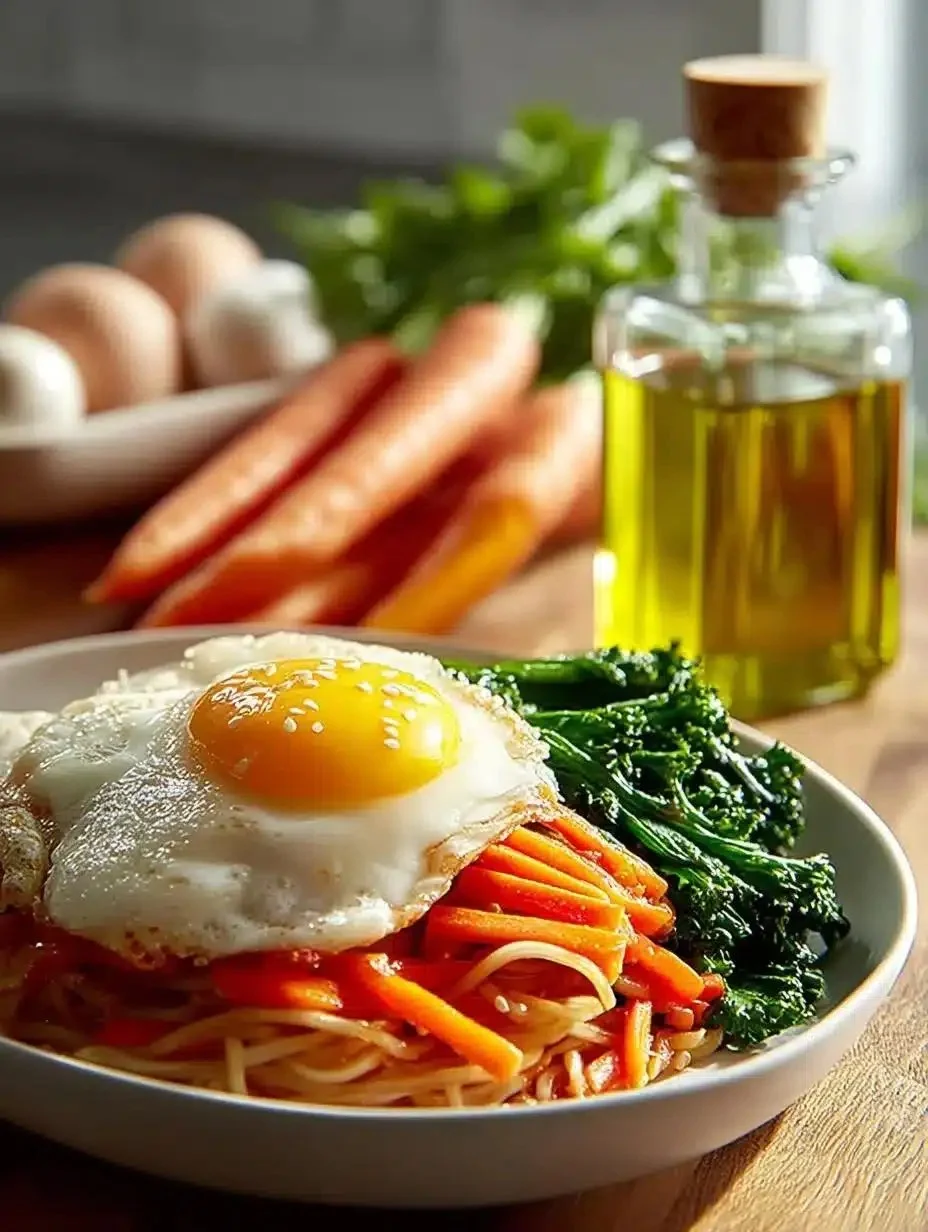
Korean Fried Noodles — Crispy Weeknight Stir-Fry
Crunchy edges, glossy sauce, and chewy centers make Korean Fried Noodles an irresistible weeknight treat. After testing this recipe 10 times and refining it while developing menus at a busy Seoul-inspired bistro, I landed on a method that delivers crispness without deep-frying. This version uses a hot skillet and a short rest to lock in texture, plus a quick sauce that clings to each strand. I learned which noodles hold up and which fall apart during those trials. Read on for precise timings, metric and imperial measurements, and tips to avoid soggy noodles so you get restaurant-style crunch at home. If you want a deeper look at background techniques, see our guide to Korean fried noodles, which inspired some choices here.
Why This Recipe Works
- High initial heat creates a fast sear that crisps noodle edges before the sauce softens them.
- Tossing partially cooled, oiled noodles prevents clumping and encourages separate strands to crisp.
- A cornstarch slurry in the sauce helps it cling and caramelize quickly, fostering a glossy finish.
- Browning aromatics (garlic, scallion whites) releases savory compounds that lift the dish.
- Brief resting after pan-searing concentrates texture so you get both chew and crunch.
Ingredients Breakdown
- Noodles: 400 g (14 oz) fresh wheat egg noodles or chukamen. Fresh noodles crisp best; dried ramen can work but soak and drain well. Substitution warning: rice noodles will become fragile and won’t crisp the same.
- Neutral oil: 60 ml (4 Tbsp) vegetable or canola oil. This oil tolerates high heat without burning.
- Vegetables: 1 small carrot (70 g / 2.5 oz), 1 small onion (120 g / 4.2 oz), 1 cup (100 g) shredded cabbage. They add sweetness and texture; slice thin for quick cooking.
- Protein (optional): 250 g (8.8 oz) thinly sliced pork, chicken breast, or firm tofu. Use tofu to keep it vegetarian; press and pat dry first.
- Sauce: 45 ml (3 Tbsp) soy sauce, 15 ml (1 Tbsp) rice vinegar, 15 g (1 Tbsp) brown sugar, 1 tsp (5 g) cornstarch mixed with 30 ml (2 Tbsp) water. The cornstarch slurry creates shine and adhesion.
- Aromatics: 4 garlic cloves (12 g), minced; 2 scallions, white and green separated and sliced thin. White parts brown quickly and build flavor.
- Heat: 1 tsp (5 ml) sesame oil and 1 tsp (2 g) gochugaru (Korean red pepper flakes) or gochujang (1 Tbsp) for a saucier version.
- Salt & pepper: Adjust to taste. If using kosher salt, I prefer Diamond Crystal; if using Morton, halve the amount for the same saltiness.
Essential Equipment
- Large heavy skillet or cast-iron pan (around 12-inch / 30 cm). A wide surface gives more contact for crisping.
- Tongs or a spatula for flipping noodles.
- Mixing bowl for the sauce and slurry.
- Paper towels and a cooling rack (or plate) to rest seared noodles — the rack prevents steam sogginess.
- Optional: nonstick wok for even tossing. If you don’t have a wok, use the largest skillet you own.
Step-by-Step Instructions
Makes 4 servings. Prep time 15 minutes; Cook time 15 minutes; Inactive time None; Total time 30 minutes.
Step 1: Prepare the noodles and vegetables
Cook fresh noodles according to package directions, usually 2–3 minutes in boiling water; drain and toss with 1 tsp (5 ml) neutral oil to prevent sticking. Slice 1 small onion, 1 carrot, and shred 100 g (1 cup) cabbage; mince garlic and separate scallion whites and greens. Timing: prep should take about 10–12 minutes.
Step 2: Mix the sauce
Whisk 45 ml (3 Tbsp) soy sauce, 15 ml (1 Tbsp) rice vinegar, 15 g (1 Tbsp) brown sugar, and the cornstarch slurry (1 tsp cornstarch + 30 ml / 2 Tbsp water) in a small bowl until smooth. Add 1 tsp sesame oil and 1 tsp gochugaru if using. This takes 2 minutes.
Step 3: Sear aromatics and protein
Heat the skillet over high until a drop of water sizzles, then add 2 Tbsp (30 ml) oil. Sear protein (if using) until browned, about 2–3 minutes per side for thin slices, then remove. Add scallion whites and garlic; cook until fragrant and lightly browned, about 30–60 seconds. Watch closely — garlic burns fast.
Step 4: Crisp the noodles
Add another 2 Tbsp (30 ml) oil to the hot skillet. Pile in the drained noodles and press gently with a spatula to contact the skillet. Let crisp, undisturbed, 2–3 minutes, then flip sections with tongs and crisp the other side 2–3 minutes until golden edges appear. Do not overload the pan — crisp in batches if needed. Sensory cue: look for a light brown crust on some strands.
Step 5: Add vegetables and sauce
Slide the vegetables into the skillet edge and toss briefly, 1–2 minutes, until onions are translucent. Return protein to the pan. Pour the sauce over the noodles and toss briskly for 30–60 seconds until sauce thickens and glazes the noodles. Descriptive cue: the sauce should cling and become glossy.
Step 6: Finish and garnish
Turn off the heat and fold in scallion greens and a drizzle of toasted sesame oil, about 1 tsp (5 ml). Taste and adjust with a pinch of salt or a splash more soy if needed. Serve immediately to preserve crisp bits.
Expert Tips & Pro Techniques
- Mistakes to avoid: Overcrowding the pan steams the noodles and ruins crisping. Work in batches to preserve high heat.
- Make-ahead: Cook and cool the noodles, toss with oil, and keep refrigerated for up to 24 hours. Crisp them straight from cold — they hold texture better.
- Home pro trick: Use a flat metal spatula to press noodles into the pan for a more even crust, like making a shallow pancake.
- Protein tip: If using tofu, freeze it once then thaw and press. The changed texture holds up when seared.
- Sauce control: Add the cornstarch slurry slowly; too much will make the glaze gummy. One tablespoon slurry is enough for the quantities here.
- Heat management: Keep the pan hot but not smoking. If the oil smokes, lower the heat for a moment, wipe out any burned bits, and continue.
Storage & Reheating
- Refrigerator: Store cooled leftovers in an airtight container for up to 3 days. Avoid stacking moist vegetables on top of crispy noodles.
- Freezer: Not recommended for maintaining crispness. You can freeze cooked noodles, but texture will soften. Freeze in a freezer-safe container for up to 1 month.
- Reheating: Reheat in a 190°C (375°F) oven for 6–8 minutes to revive some crispness or re-sear in a hot skillet for 2–3 minutes per side. Avoid microwaving — it makes the noodles soggy.
Variations & Substitutions
- Vegetarian (no eggs, no meat): Replace protein with 250 g (8.8 oz) firm tofu, pressed and cubed. Keep all other steps the same; pan-sear tofu until golden, about 3–4 minutes per side.
- Gluten-Free Version: Use gluten-free wheat-free noodles (e.g., buckwheat soba with 100% buckwheat) and swap soy sauce for tamari. Some gluten-free noodles are fragile; crisping time may reduce by 30–50%.
- Spicy Gochujang Version: Replace gochugaru with 1 Tbsp (15 g) gochujang and reduce brown sugar by 1/2 Tbsp (7 g). Reduce sauce after adding to avoid burning, about 20–30 seconds.
- Seafood Twist: Add 225 g (8 oz) shrimp; cook 1–2 minutes per side until opaque. Remove shrimp first, follow noodle crisping, then return shrimp at the end to avoid overcooking.
- Low-Sodium: Use low-sodium soy sauce and increase umami with 1 tsp (5 ml) toasted sesame oil and a dash of mushroom powder. Taste before adding salt.
Serving Suggestions & Pairings
- Garnish with toasted sesame seeds and a wedge of lime for brightness.
- Pair with a simple cucumber salad or quick kimchi to cut richness.
- For a heartier meal, serve alongside crispy Korean fried chicken.
- A chilled lager or light-bodied Riesling complements the spice and crunch.
Nutrition Information
Per serving (1 plate). Recipe makes 4 servings.
- Calories: 520 kcal
- Total Fat: 18 g
- Saturated Fat: 3.5 g
- Cholesterol: 45 mg (if using egg noodles and meat; omit for vegetarian)
- Sodium: 820 mg
- Total Carbohydrates: 68 g
- Dietary Fiber: 4 g
- Sugars: 9 g
- Protein: 19 g
Nutrition values are estimates. Actual values may vary based on specific ingredients and preparation methods.
Frequently Asked Questions
Q: Why did my noodles turn out soggy instead of crispy?
A: Most often you steamed them by crowding the pan or adding too much sauce too early. Crisp in a hot, wide pan and add sauce at the end. Work in batches if needed.
Q: Can I make this without eggs in the noodles?
A: Yes. Use egg-free fresh or dried wheat noodles. Note: egg-free noodles may be slightly less rich but still crisp well with this method.
Q: Can I double this recipe for a larger group?
A: Yes, but double only if you can cook in larger pans or in batches. Doubling in one skillet reduces surface contact and prevents crisping. For best results, cook in two batches.
Q: Can I prepare this the night before?
A: You can cook the noodles and cool them, toss with oil, and refrigerate up to 24 hours. Crisp them in the skillet from cold right before serving for best texture.
Q: How long does this keep in the fridge?
A: Store in an airtight container for up to 3 days. Re-crisp in the skillet or oven before eating. Do not freeze if you want to keep the crunchy texture.
Q: What noodles work best for crisping?
A: Fresh wheat egg noodles or thick alkaline noodles (chukamen) hold up best. Thin rice noodles or delicate wheat varieties may fall apart.
Q: How can I make this less salty?
A: Use low-sodium soy sauce or dilute the sauce with a splash more rice vinegar and a touch of water. Taste before serving to adjust.
Conclusion
Try pairing this method with a quick tofu stir-fry for a meatless weeknight option, like the practical ideas in Easy Tofu Stir Fry (ready in 25 minutes!). For a different chef’s take on cleanout noodle cooking, see David Chang’s approach to soy-and-scallion noodles at Dave Chang’s Fridge Cleanout Tofu Noodle Stir-Fry.
Print
Korean Fried Noodles
- Total Time: 30 minutes
- Yield: 4 servings 1x
- Diet: Vegetarian option available
Description
Crunchy edges, glossy sauce, and chewy centers make Korean Fried Noodles an irresistible weeknight treat, delivering restaurant-style crunch without deep-frying.
Ingredients
- 400 g (14 oz) fresh wheat egg noodles or chukamen
- 60 ml (4 Tbsp) vegetable or canola oil
- 1 small carrot (70 g / 2.5 oz), sliced thin
- 1 small onion (120 g / 4.2 oz), sliced thin
- 1 cup (100 g) shredded cabbage
- 250 g (8.8 oz) thinly sliced pork, chicken, or firm tofu
- 45 ml (3 Tbsp) soy sauce
- 15 ml (1 Tbsp) rice vinegar
- 15 g (1 Tbsp) brown sugar
- 1 tsp (5 g) cornstarch mixed with 30 ml (2 Tbsp) water
- 4 garlic cloves (12 g), minced
- 2 scallions, white and green separated and sliced thin
- 1 tsp (5 ml) sesame oil
- 1 tsp (2 g) gochugaru or 1 Tbsp gochujang
- Salt and pepper, to taste
Instructions
- Prepare the noodles and vegetables: Cook fresh noodles according to package directions, usually 2–3 minutes in boiling water; drain and toss with 1 tsp (5 ml) neutral oil. Slice the onion, carrot, and shred the cabbage; mince garlic and separate scallion whites and greens.
- Mix the sauce: Whisk soy sauce, rice vinegar, brown sugar, and the cornstarch slurry in a bowl until smooth. Add sesame oil and gochugaru if using.
- Sear aromatics and protein: Heat skillet over high, add oil, and sear protein (if using) until browned. Remove and add scallion whites and garlic; cook until fragrant.
- Crisp the noodles: Add more oil and pile in drained noodles, pressing gently. Crisp undisturbed for 2–3 minutes, then flip to crisp the other side.
- Add vegetables and sauce: Toss in vegetables and briefly cook, then return protein. Pour over the sauce and toss until thick and glossy.
- Finish and garnish: Turn off heat, fold in scallion greens and drizzle of sesame oil. Adjust seasoning as necessary and serve immediately.
Notes
Avoid overcrowding the pan for best crispiness. Use a large skillet or wok for better heat distribution.
- Prep Time: 15 minutes
- Cook Time: 15 minutes
- Category: Main Course
- Method: Stir-frying
- Cuisine: Korean
Nutrition
- Serving Size: 1 serving
- Calories: 520
- Sugar: 9g
- Sodium: 820mg
- Fat: 18g
- Saturated Fat: 3.5g
- Unsaturated Fat: 13g
- Trans Fat: 0g
- Carbohydrates: 68g
- Fiber: 4g
- Protein: 19g
- Cholesterol: 45mg